
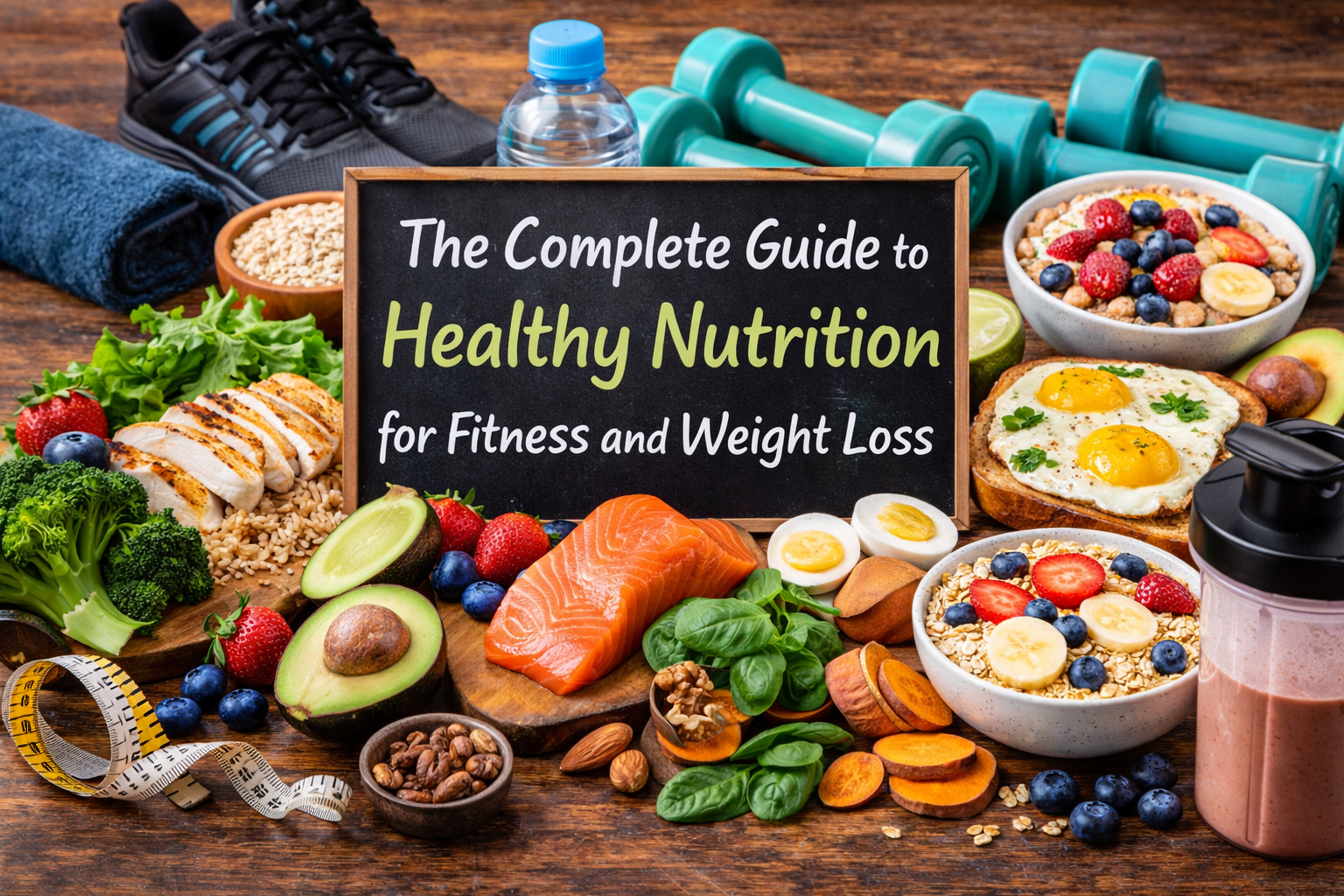
Nutrition is the foundation of a healthy lifestyle. Whether your goal is to lose weight, build muscle, or simply improve your overall health, understanding how to eat properly is essential. Many people focus only on exercise, but without the right nutrition, results will always be limited.
In this complete guide, we will cover everything you need to know about healthy nutrition, including what to eat, how to plan your meals, and how to stay consistent.
🟨 1. Why Nutrition Matters
Your body needs fuel to function properly. Food provides energy, supports muscle growth, and helps your body recover after workouts.
Without proper nutrition:
- You feel tired
- You gain unhealthy weight
- Your performance decreases
Good nutrition helps you:
- Improve energy levels
- Burn fat efficiently
- Build muscle
- Stay healthy long term
🟨 2. Understanding Macronutrients
Macronutrients are the main nutrients your body needs in large amounts. These include protein, carbohydrates, and fats.
Protein
Protein is essential for muscle repair and growth. It also helps you feel full longer.
Sources of protein:
- Chicken
- Fish
- Eggs
- Greek yogurt
- Beans
Carbohydrates
Carbs provide energy for your body and brain.
Healthy carbs include:
- Oats
- Brown rice
- Sweet potatoes
- Whole grain bread
Fats
Healthy fats support brain function and hormone production.
Sources:
- Avocado
- Nuts
- Olive oil
- Seeds
🟨 3. How to Balance Your Meals
A healthy meal should include all three macronutrients:
- Protein (for muscle)
- Carbs (for energy)
- Healthy fats (for overall health)
Example meal:
Grilled chicken + brown rice + vegetables + olive oil
Balancing your meals helps you stay full and energized.
🟨 4. The Importance of Meal Timing
When you eat is just as important as what you eat.
Before Workout
Eat a meal with carbs and protein 1–2 hours before exercise.
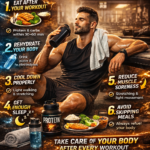
After Workout
Your body needs protein and carbs to recover.
Example:
Chicken + rice
or
Protein shake + banana
🟨 5. Hydration and Its Role
Water is often ignored, but it is extremely important.
Benefits of staying hydrated:
- Improves performance
- Helps digestion
- Keeps your skin healthy
- Supports fat loss
Aim for at least 2–3 liters per day.
🟨 6. Healthy Eating for Weight Loss
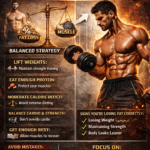
If your goal is weight loss, you need to create a calorie deficit. This means consuming fewer calories than your body burns.
Tips:
- Eat more vegetables
- Reduce sugar intake
- Avoid fast food
- Control portion sizes
Consistency is more important than perfection.
🟨 7. Nutrition for Muscle Building
To build muscle, your body needs:
- Enough protein
- Enough calories
- Consistent training
Tips:
- Eat protein with every meal
- Increase your calorie intake slightly
- Focus on whole foods
🟨 8. Common Nutrition Mistakes
Many people make mistakes that slow their progress.
Skipping Meals
This can lead to overeating later.
Eating Too Much Junk Food
Processed foods are high in calories and low in nutrients.
Not Drinking Enough Water
Dehydration affects your energy and performance.
Following Extreme Diets
These are not sustainable and often fail.
🟨 9. Simple Meal Plan Example
Here is a simple daily meal plan:
Breakfast:
Oats + fruits + yogurt
Lunch:
Grilled chicken + rice + vegetables
Snack:
Nuts + fruit
Dinner:
Fish + salad + sweet potatoes
🟨 10. Tips for Staying Consistent
Staying consistent is the hardest part.
Here’s how to make it easier:
- Plan your meals in advance
- Keep healthy food available
- Avoid buying junk food
- Set realistic goals
- Be patient
🟨 11. Healthy Snacks Ideas
Snacks can help you stay full between meals.
Examples:
- Greek yogurt
- Nuts
- Fruit
- Protein bars
🟨 12. The Role of Discipline
Motivation comes and goes, but discipline keeps you going.
Building healthy habits takes time, but once you develop them, they become part of your lifestyle.
🟩 Conclusion:
Healthy nutrition is not about strict diets or cutting out all your favorite foods. It is about balance, consistency, and making better choices every day.
By understanding how your body works and giving it the right fuel, you can achieve your fitness goals and maintain a healthy lifestyle for the long term.
Start small, stay consistent, and trust the process.