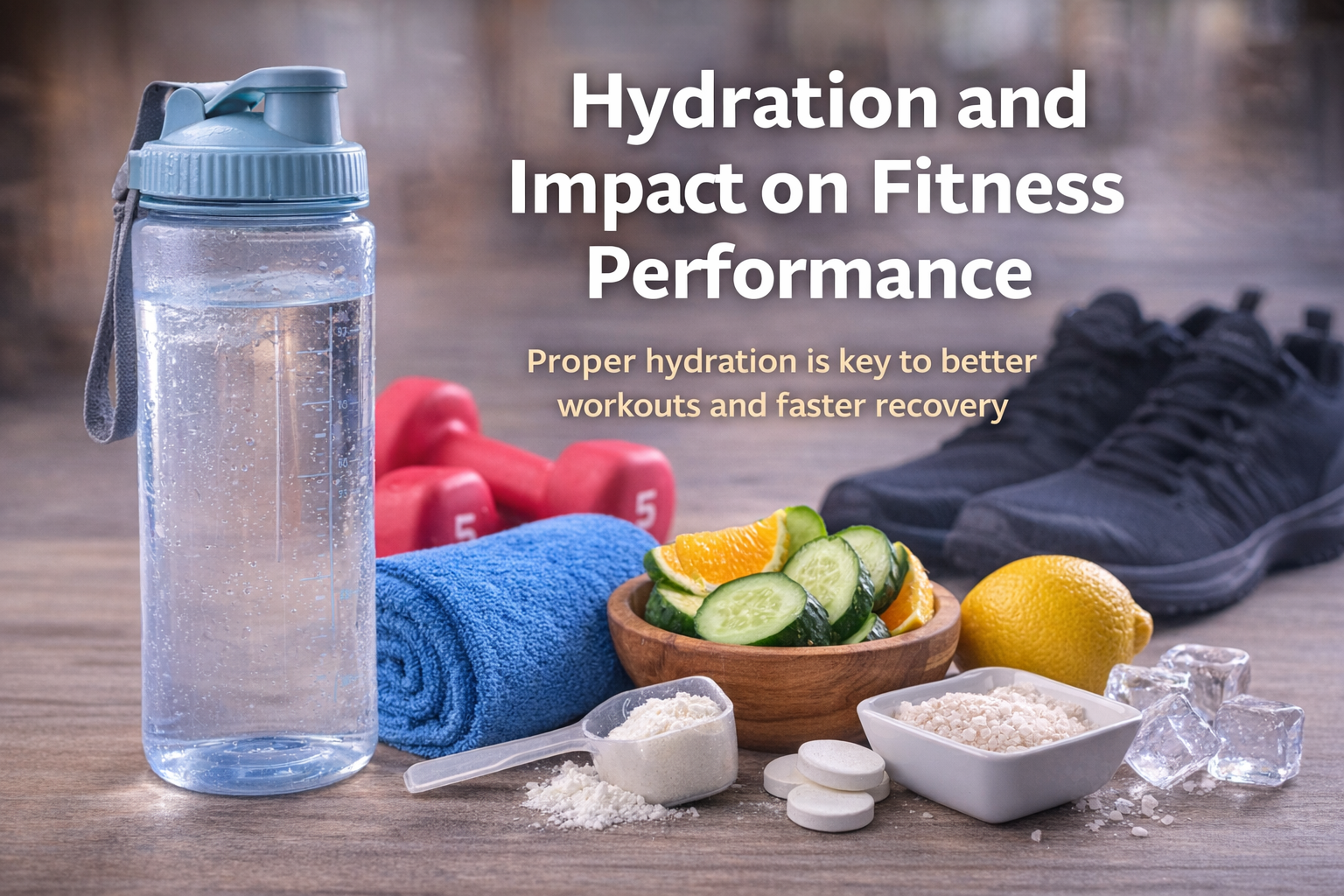
When people think about fitness, they usually focus on training programs, supplements, or meal plans. But one of the most important factors for performance is often ignored:
Hydration.
Water plays a critical role in nearly every function in the body. From muscle contractions and joint lubrication to temperature regulation and energy production, proper hydration directly affects how well you perform during exercise.
If you are not drinking enough water, your workouts can feel harder, your energy can drop faster, and your recovery can suffer. In this article, we’ll break down why hydration matters, how dehydration affects performance, and how to stay properly hydrated for better fitness results.
Why Hydration Matters in Fitness
Your body depends on water to function properly. In fact, a large percentage of your body is made up of water, and even a small drop in hydration levels can affect physical and mental performance.
During exercise, you lose fluids through sweat and breathing. The harder and longer you train, the more fluid your body loses. If that fluid is not replaced, performance starts to decline.
Proper hydration helps:
- Regulate body temperature
- Deliver nutrients to muscles
- Support joint health
- Maintain energy levels
- Improve endurance and strength
- Speed up recovery
In simple terms, hydration helps your body work efficiently before, during, and after exercise.
How Dehydration Affects Workout Performance
Many people wait until they feel thirsty to drink water, but thirst is often a sign that dehydration has already started.
Even mild dehydration can lead to:
- Lower strength output
- Reduced endurance
- Faster fatigue
- Poor concentration
- Muscle cramps
- Dizziness or headaches
- Increased heart rate
If dehydration becomes more severe, it can seriously affect training quality and even increase the risk of heat exhaustion.
This means that if you are underperforming in the gym, hydration could be one of the reasons.
Hydration and Energy Levels
One of the first things people notice when they are dehydrated is a drop in energy.
When your body lacks enough water, your heart has to work harder to pump blood and oxygen to your muscles. As a result, basic exercises can start to feel more difficult than usual.
You may notice:
- Less motivation to train
- Feeling tired earlier in the workout
- Reduced ability to push through sets
- Slower movement and weaker performance
Staying hydrated helps maintain steady energy, making it easier to train harder and longer.
Hydration and Strength Training
If your goal is muscle growth or strength, hydration still matters just as much as it does for cardio.
During strength training, your muscles need water to function properly. Hydration supports:
- Better muscle contractions
- Improved strength output
- More effective pumps during workouts
- Better recovery between sets
When you are dehydrated, your muscles may not perform at their best. Lifting can feel heavier, and endurance during resistance training can decrease.
That is why serious lifters should pay attention to water intake just like they pay attention to protein and calories.
Hydration and Cardio Performance
Hydration becomes even more important during cardio sessions, especially in hot weather or during long workouts.
Cardio training causes your body temperature to rise, and sweating is your body’s natural way to cool itself down. But sweating also means fluid loss.
If you do not replace that fluid, you may experience:
- Shortness of breath
- Faster heart rate
- Early fatigue
- Lower stamina
- Reduced performance
Whether you are running, cycling, rowing, or doing HIIT, hydration can directly influence how long and how hard you can perform.
Hydration and Recovery
Hydration does not stop being important when the workout ends.
After training, your body needs water to:
- Restore fluid balance
- Support muscle repair
- Reduce soreness
- Deliver nutrients through the bloodstream
- Help regulate body temperature
Poor hydration after workouts can make recovery slower and leave you feeling drained the next day.
If you want to recover well and stay consistent in training, post-workout hydration is essential.
Signs You May Not Be Drinking Enough Water
Some people are dehydrated without realizing it. Here are some common signs your body may need more fluids:
- Dark yellow urine
- Dry mouth
- Headaches
- Low energy
- Muscle cramps
- Dizziness
- Poor focus
- Feeling unusually tired during workouts
If you notice these signs regularly, it may be time to improve your hydration habits.
How Much Water Do You Need?
There is no single number that works for everyone because hydration needs depend on:
- Body size
- Activity level
- Climate
- Sweat rate
- Workout intensity
However, a good general rule is to drink water consistently throughout the day instead of trying to drink everything at once.
For active people, hydration should include:
- Water before workouts
- Small amounts during workouts
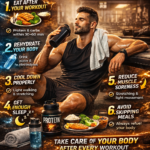
- Rehydration after workouts
The goal is to stay ahead of dehydration rather than trying to fix it later.
Best Time to Drink Water for Fitness
Before Exercise
Start your workout already hydrated. Drinking water earlier in the day helps prepare your body for training.
During Exercise
Sip water during your workout, especially if the session is long, intense, or done in hot conditions.
After Exercise
Replace the fluids you lost through sweat to help your body recover properly.
Consistency matters more than drinking a huge amount all at once.
Water vs Sports Drinks
For most regular workouts, plain water is enough.
Sports drinks may be useful if:
- You are training for a long time
- You are sweating heavily
- You are doing intense endurance training
- You need to replace electrolytes
But for the average gym session, water usually does the job well.
If you do use sports drinks, be mindful of added sugar and calories.
Electrolytes and Hydration
Hydration is not just about water. When you sweat, you also lose electrolytes such as sodium, potassium, and magnesium.
These minerals help with:
- Muscle contractions
- Fluid balance
- Nerve function
- Preventing cramps
For intense training or long sessions, getting enough electrolytes can support better hydration and performance.
You can get electrolytes from foods like:
- Bananas
- Yogurt
- Coconut water
- Leafy greens
- Nuts
- Salted meals after heavy sweating
Common Hydration Mistakes
Many people make simple mistakes that hurt their performance without realizing it.
1. Waiting Until They Feel Thirsty
By the time you feel thirsty, your body may already be dehydrated.
2. Drinking Too Little Before Workouts
Starting a workout dehydrated makes everything harder from the beginning.
3. Ignoring Post-Workout Fluids
Recovery suffers when you do not replace lost fluids.
4. Drinking Only During Training
Hydration should happen all day, not just in the gym.
5. Forgetting About Hot Weather
Sweat loss increases in warm environments, so fluid needs go up too.
Simple Tips to Stay Hydrated
Hydration does not need to be complicated. These habits can make a big difference:
- Carry a water bottle with you
- Drink water regularly throughout the day
- Have water before every workout
- Sip during training
- Rehydrate after exercise
- Eat water-rich foods like fruits and vegetables
- Monitor urine color as a simple hydration check
Small daily habits lead to better long-term performance.
Foods That Help With Hydration
Water is the main source of hydration, but some foods can help too.
Good hydrating foods include:
- Watermelon
- Cucumber
- Oranges
- Strawberries
- Lettuce
- Yogurt
- Celery
These foods can support your overall fluid intake and are especially useful during hot weather.
Hydration for Different Fitness Goals
For Fat Loss
Hydration supports energy, metabolism, and workout quality, which can help you stay active and consistent.
For Muscle Building
Water helps support strength, muscle function, and recovery after lifting.
For Endurance
Hydration is critical for stamina, cardiovascular performance, and temperature control.
For General Health
Proper hydration improves overall physical and mental function, both inside and outside the gym.
No matter what your goal is, hydration plays a key role.
Final Thoughts
Hydration may seem simple, but it has a huge impact on fitness performance.
If you are not drinking enough water, you may feel weaker, slower, and more tired during workouts. On the other hand, proper hydration can improve your energy, endurance, strength, and recovery.
The takeaway is clear:
If you want better fitness results, do not underestimate water.
Train hard, eat well, and stay hydrated—because better hydration leads to better performance.